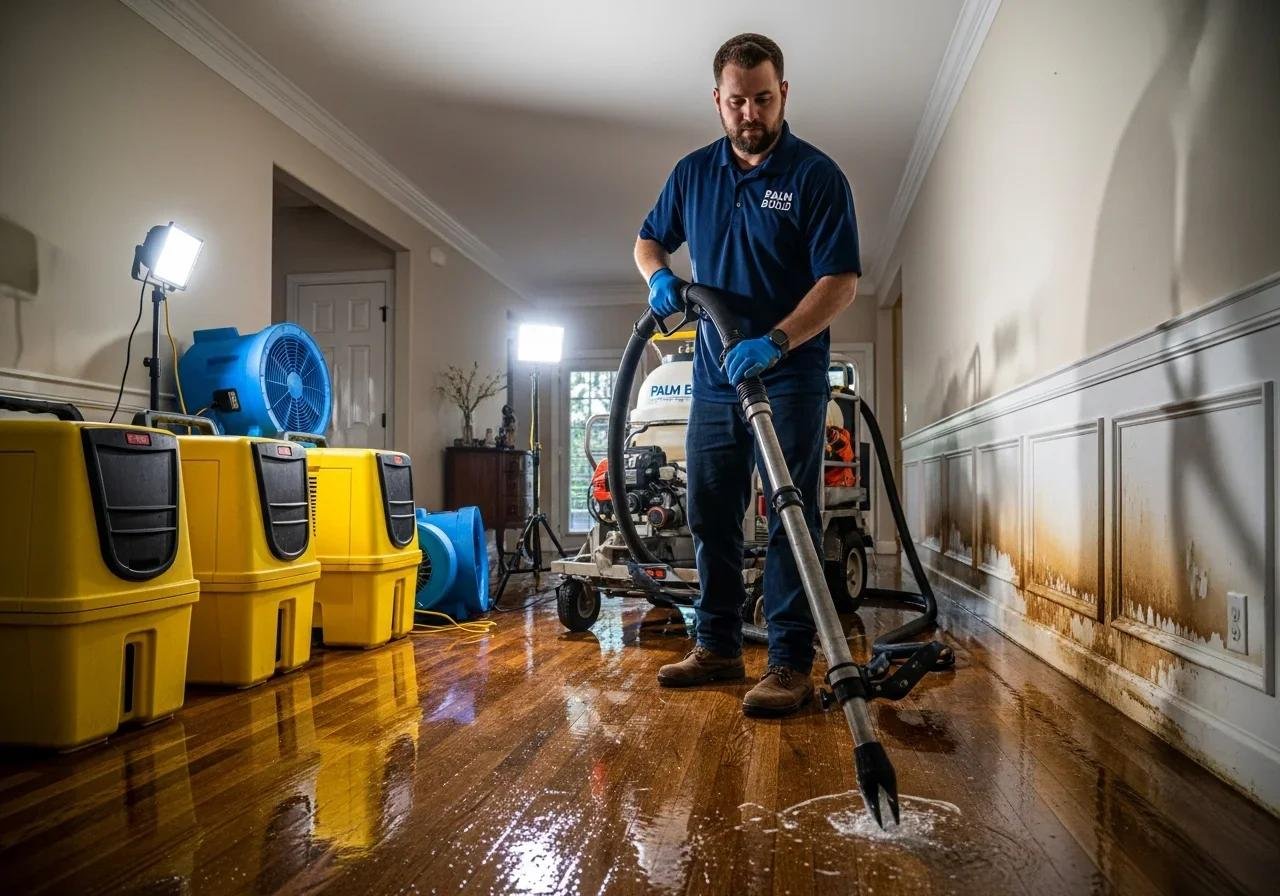
A burst pipe can turn into a stressful situation in minutes. Water may spread across floors, soak carpets, damage drywall, and reach areas you cannot easily see. If the leak happens overnight or while you are away, the damage can become even worse before you discover it.
For homeowners across Long Island, knowing what to do after a burst pipe can help limit property damage and make the restoration process easier.
If your home has a burst pipe, here are seven practical steps to take right away.
1. Shut Off the Main Water Supply
The first step is to stop more water from entering your home. Locate your main water shut-off valve and turn it off if you can do so safely. This is especially important when water is actively spraying from a pipe or flowing into a room.
If you cannot locate the valve or cannot safely reach it, contact a qualified plumber for help. Do not put yourself at risk to stop the leak.
Helpful tip: Learn where your main shut-off valve is before an emergency happens. Knowing its location can save valuable time.
2. Stay Away From Electrical Hazards
Water and electricity are a dangerous combination. If water is near electrical outlets, appliances, extension cords, or your electrical panel, stay out of the affected area.
Do not walk through standing water to unplug equipment or operate electrical switches. If the power needs to be shut off, only do so if the electrical panel is in a dry, safe location. Otherwise, contact a qualified electrician or emergency services as appropriate.
Your safety should always come before protecting belongings.
3. Call for Emergency Water Damage Restoration
Stopping the leak does not mean the problem is over. Water may already have soaked into flooring, baseboards, insulation, drywall, or other building materials.
Professional water damage restoration can help address the moisture left behind. RestoTech provides 24/7 emergency restoration services across Long Island, including Nassau County and Suffolk County.
The restoration process may include:
- Inspecting the affected areas and assessing the damage
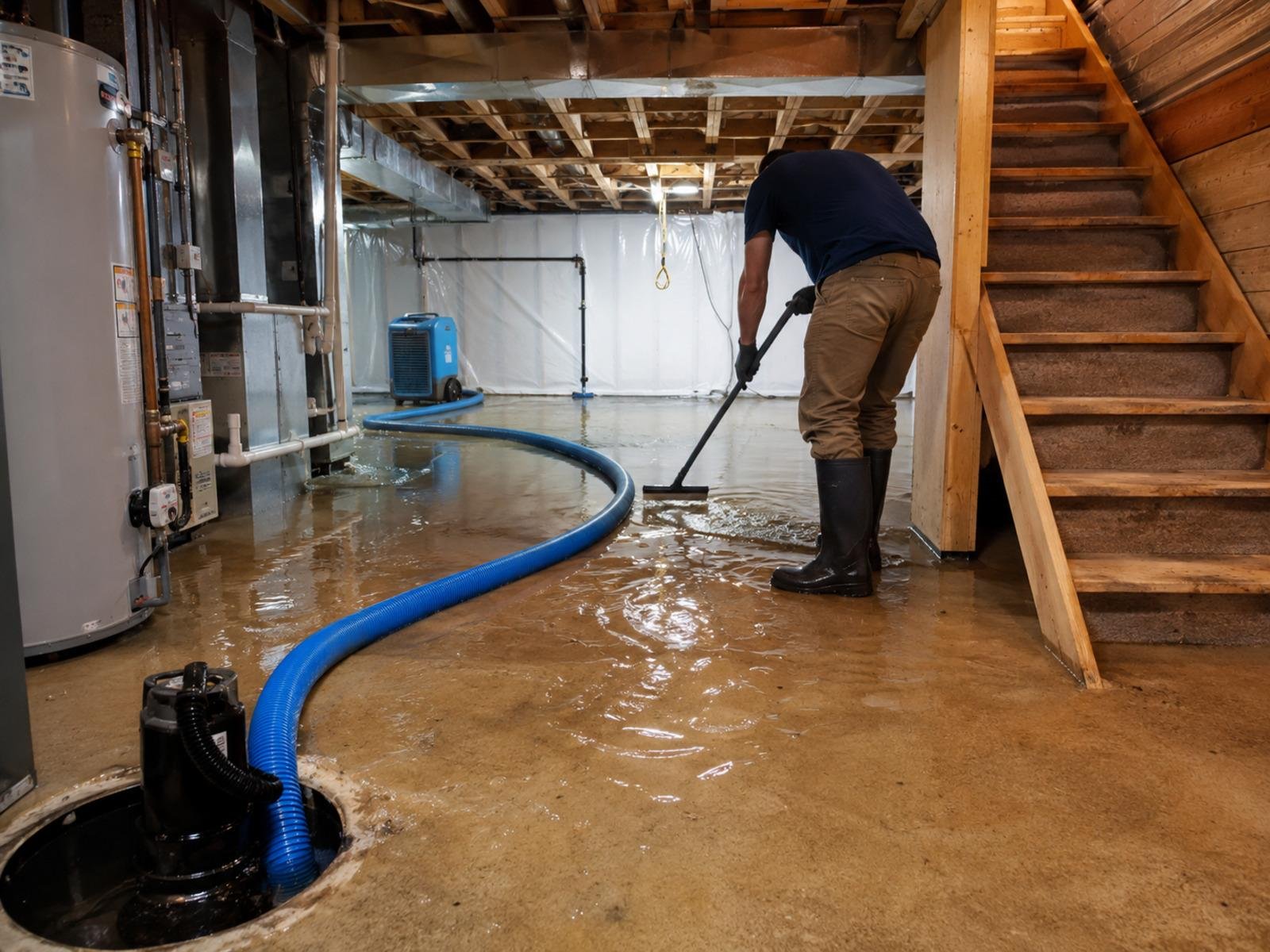
- Removing standing water with professional extraction equipment
- Checking for moisture trapped inside building materials
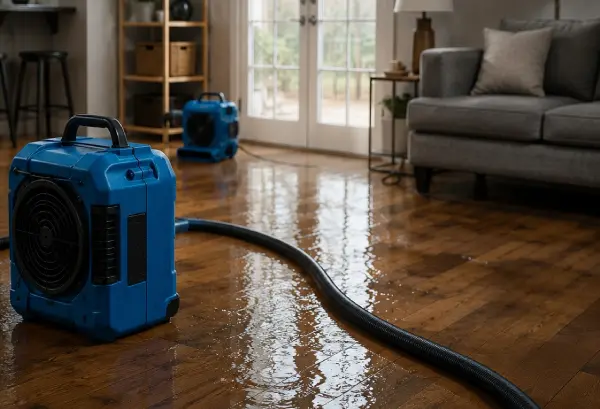
- Using air movers and dehumidifiers for structural drying
- Cleaning and restoring affected areas as needed
Learn more about RestoTech’s Water & Flood Damage Restoration services.
4. Document the Damage for Your Insurance Company
If it is safe to do so, take photos and videos of the affected rooms, damaged belongings, visible leaks, and standing water before cleanup begins.
Keep receipts for emergency work and temporary expenses, and contact your insurance company to ask about your policy’s requirements.
Coverage depends on the cause of the water damage, your policy terms, and any applicable exclusions. A sudden plumbing leak may be treated differently from flooding caused by external water, so do not assume every type of water damage is covered.
RestoTech can help document restoration-related damage and assist with the insurance claims process when applicable.
5. Remove Valuables From the Affected Area
Once the area is safe to enter, move undamaged furniture, important documents, and other belongings away from wet areas. If possible, place smaller items somewhere dry.
Avoid dragging heavy furniture across wet floors, and do not handle items near electrical hazards. Be careful with wet carpets and flooring, which may be slippery.
Do not use a household vacuum to remove water. Ordinary household vacuums are not designed for this task and may create an electrical hazard.
6. Do Not Ignore Hidden Moisture or Musty Odors
One of the biggest problems after a burst pipe is moisture that remains out of sight. Water can travel beneath flooring, behind baseboards, and inside walls. A room may look dry on the surface while building materials remain damp.
Persistent dampness can contribute to mold growth. A musty smell, new discoloration, bubbling paint, or recurring damp spots may indicate a moisture problem that needs further investigation.
Professional inspection and thorough structural drying can help identify affected areas. If mold has developed, RestoTech also provides Mold Removal & Remediation services.
Do not simply paint over water stains or cover up damp materials without addressing the underlying moisture.
7. Arrange Proper Cleanup and Restoration
After the leak has been stopped, the next step is to determine what can be dried, what needs cleaning, and what materials may require repair or replacement.
The right approach depends on how much water entered the property, how long materials remained wet, and whether the water was clean or contaminated.
If the pipe failure caused water to mix with sewage or wastewater, avoid contact with the contaminated water and keep people and pets away from the affected area. Professional Sewage Cleanup & Sanitization may be necessary.
A proper restoration plan helps address visible damage as well as moisture and contamination that could cause further problems.
How Can You Reduce the Risk of Another Burst Pipe?
Although not every pipe failure can be prevented, a few precautions may reduce the risk:
- Inspect visible pipes and plumbing connections for leaks or corrosion.
- Repair dripping connections before they develop into larger problems.
- Keep vulnerable pipes protected during freezing weather.
- Know where your main water shut-off valve is located.
- Investigate unexplained increases in water usage or damp areas.
- Arrange plumbing repairs when you notice recurring leaks or pressure problems.
If you suspect a damaged pipe, contact a qualified plumber to identify and repair the plumbing issue. Water damage restoration addresses the resulting property damage; it does not replace the need to repair the failed plumbing.
Need Emergency Water Damage Restoration on Long Island?
A burst pipe can damage floors, walls, ceilings, and personal belongings faster than many homeowners expect. Acting quickly, stopping the water when safe, and arranging proper drying can help limit additional damage.
RestoTech provides 24/7 emergency water and flood damage restoration for residential and commercial properties across Nassau County and Suffolk County, NY. Our restoration services include water extraction, structural drying, cleanup, and restoration support based on the needs of the property.
If a burst pipe has left your home or business with standing water or water-damaged materials, call RestoTech at (631) 714-4117 for emergency assistance.
Visit our Water Damage Restoration page to learn more about our services.
Frequently Asked Questions
What should I do first when a pipe bursts?
If it is safe, shut off the main water supply. Stay away from electrical hazards, protect people and pets, and arrange plumbing repair and professional water damage restoration as needed.
How quickly should water damage be addressed?
As soon as possible. Standing water and trapped moisture can continue damaging building materials. Prompt water removal and drying can help reduce the risk of additional damage and mold growth.
Can a burst pipe cause mold?
Yes. If building materials remain damp, mold may develop. Hidden moisture behind walls, under flooring, or inside insulation can be difficult to identify without appropriate inspection and moisture detection.
Does homeowners insurance cover burst pipe water damage?
It depends on your policy and the circumstances. Some policies cover certain types of sudden and accidental water damage, while exclusions and maintenance-related conditions may apply. Contact your insurance provider to confirm your coverage.
Does RestoTech provide emergency water damage restoration in Suffolk County and Nassau County?
RestoTech advertises 24/7 emergency restoration services for residential and commercial properties across Long Island, including Nassau County and Suffolk County. Call RestoTech for assistance.