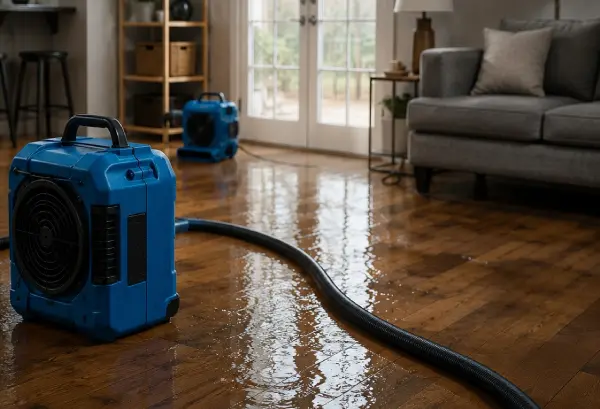
Water damage can happen unexpectedly in any home. A burst pipe, leaking appliance, heavy rainfall, or flooded basement can damage flooring, drywall, furniture, and personal belongings. For homeowners across Long Island, the first concern is often how to stop the damage. The next question is usually whether homeowners insurance will cover the cost.
Does homeowners insurance cover water damage? In many cases, it may cover sudden and accidental water damage, but coverage depends on the cause of the damage, the policy terms, and any applicable exclusions.
If you live in Nassau County or Suffolk County, understanding your options can help you make informed decisions after a water emergency.
Does Homeowners Insurance Cover Water Damage in Long Island, NY?
Homeowners insurance may cover water damage caused by certain sudden and accidental events. However, not every water-related problem qualifies for coverage.
For example, a suddenly burst pipe or an accidental washing machine leak may be covered under some policies. Damage caused by ongoing leaks, neglected maintenance, or outside flooding may be treated differently.
Before starting major repairs, contact your insurance company to understand your coverage, deductible, documentation requirements, and next steps.
Water Damage That May Be Covered
Depending on your policy and the circumstances, coverage may apply to damage caused by:
- Burst pipes: A sudden pipe failure that releases water into walls, ceilings, or floors.
- Appliance leaks: An accidental discharge from a washing machine, dishwasher, or water heater.
- Sudden plumbing failures: Unexpected plumbing problems that damage building materials and belongings.
- Certain storm-related damage: Water entering through a roof damaged by a covered event, subject to policy terms.
- Accidental overflows: Certain sudden and accidental household water incidents.
These are examples rather than guarantees. Your insurer must determine whether the specific incident is covered.
Water Damage That May Not Be Covered
Some situations may be excluded from a standard homeowners insurance policy, including:
- Outside flooding: Floodwater entering your property may require separate flood insurance.
- Long-term plumbing leaks: Gradual damage may be excluded, depending on the policy and circumstances.
- Neglected maintenance: Damage associated with an unresolved or known problem may create coverage issues.
- Certain sewer backups: Coverage may require an additional water-backup endorsement.
- Ongoing moisture problems: Repeated moisture intrusion may be treated differently from a sudden covered event.
The source of the water matters. Always review your policy and ask your insurer how the relevant exclusions and coverage limits apply.
What Should You Do After Water Damage in Nassau or Suffolk County?
Discovering water in your basement, kitchen, bathroom, or living room can be overwhelming. Taking the right steps can help reduce additional damage and make the restoration process easier to manage.
1. Check for Safety Hazards
Stay away from standing water if it may be in contact with electrical outlets, wiring, appliances, or other electrical equipment. Do not enter a flooded basement until it is safe.
If there is a risk of electrical shock, structural damage, or contaminated water, seek appropriate professional assistance.
2. Stop the Water Source if It Is Safe
If a pipe has burst and you can safely reach the water shutoff valve, turn off the supply. If the water is entering through the roof, foundation, or another external source, avoid unsafe areas and arrange professional help.
Stopping additional water from entering can help limit the extent of the damage.
3. Contact Your Insurance Provider
Report the incident promptly and ask what documentation is needed. Find out whether an adjuster must inspect the property before non-emergency cleanup or removal of damaged materials.
Keep records of conversations, claim numbers, receipts, and any instructions you receive.
4. Document the Damage
Take photographs or videos of affected rooms, damaged belongings, wet flooring, ceilings, and walls when it is safe to do so.
Keep damaged items and receipts where practical, and follow your insurer’s instructions. Do not delay essential safety measures or necessary damage mitigation while waiting for an inspection.
5. Arrange Professional Water Removal and Drying
Removing visible water is only one part of the restoration process. Moisture can remain behind walls, beneath flooring, and inside insulation or other building materials.
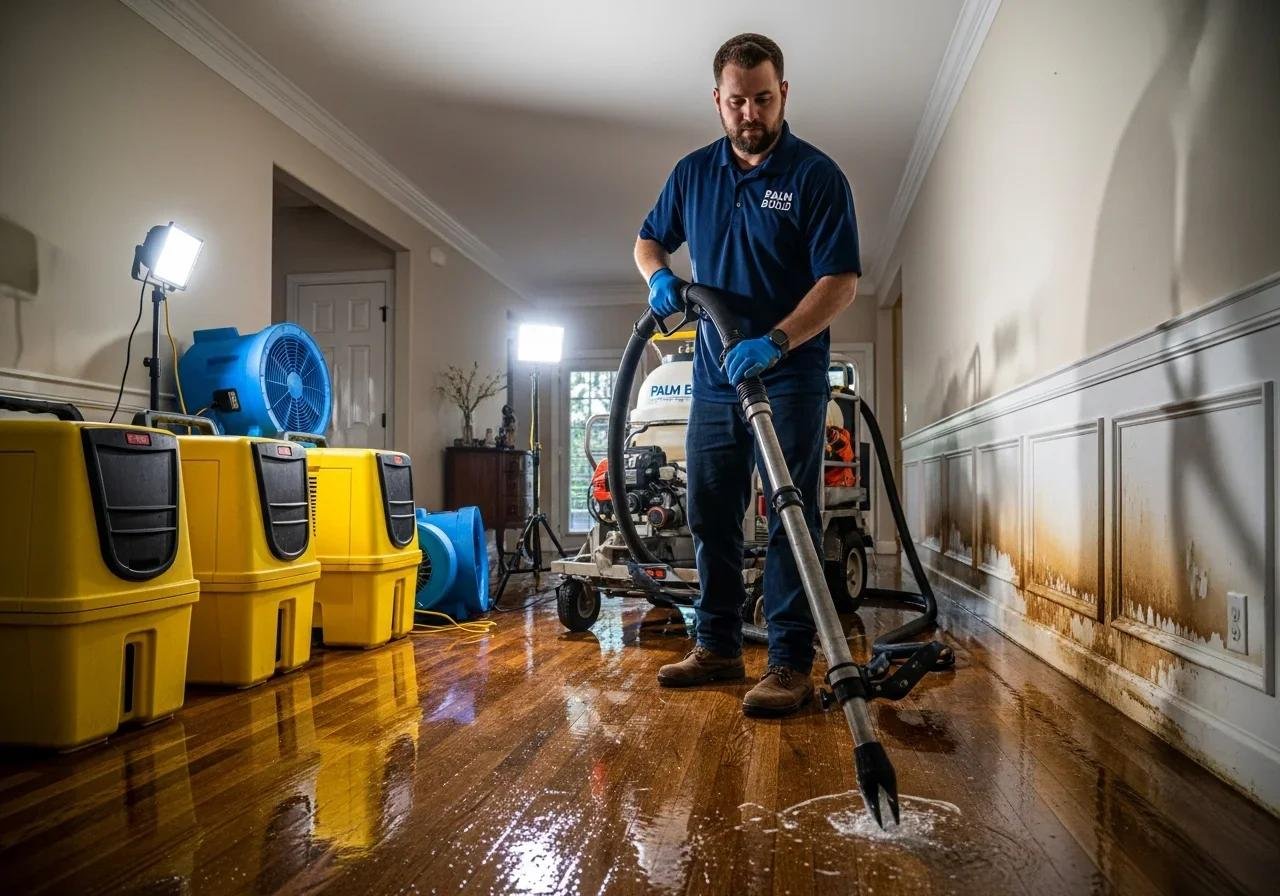
Professional restoration technicians can assess the affected areas, extract standing water, measure moisture, and use suitable drying equipment.
RestoTech provides water and flood damage restoration services across Long Island, helping residential and commercial property owners address water damage and determine the appropriate restoration steps.
What Causes Basement Flooding on Long Island?
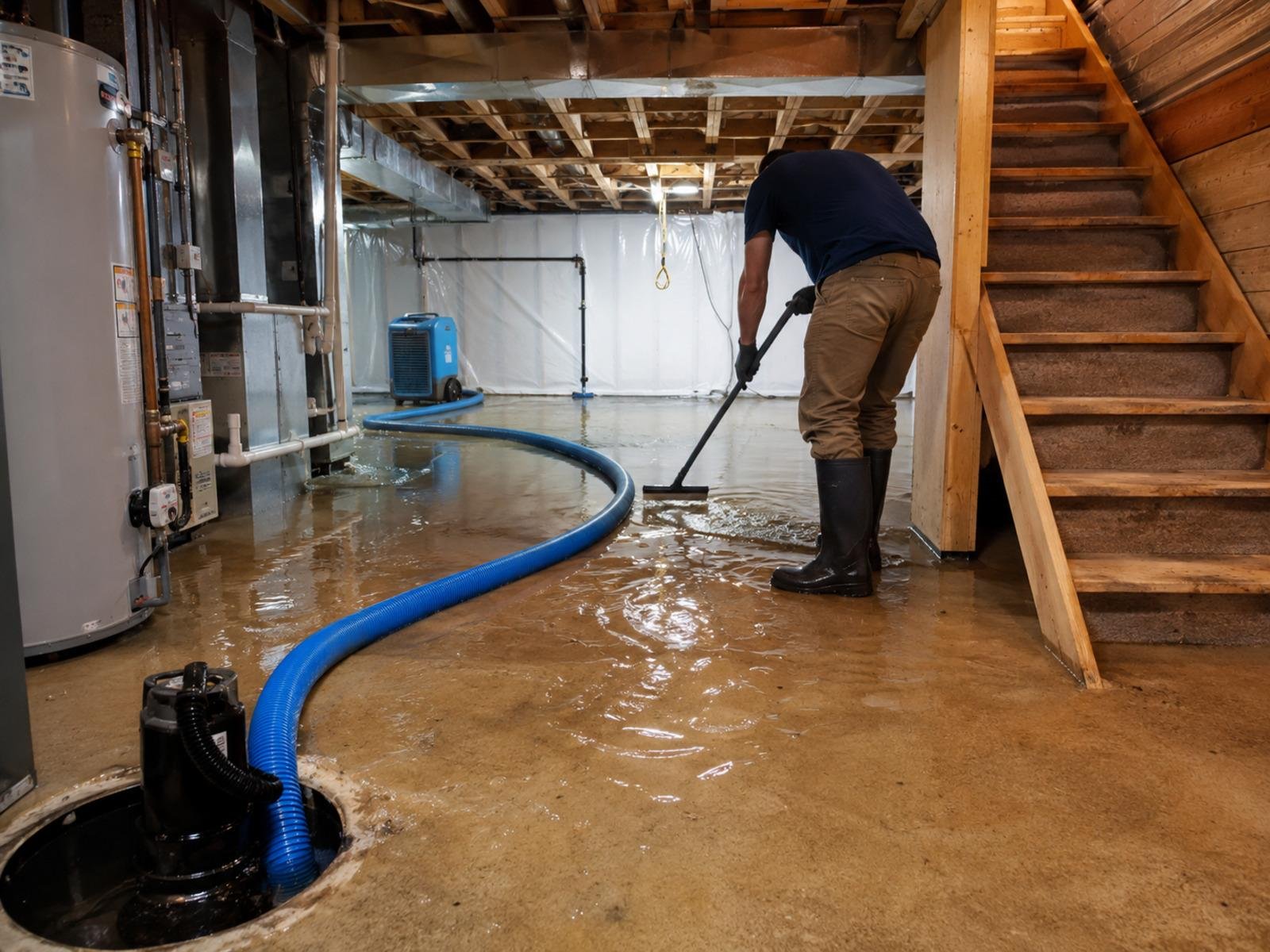
Basement water problems can occur for several reasons. Heavy rainfall, plumbing failures, leaking appliances, groundwater intrusion, and sewer backups can all affect a property, although the causes and appropriate solutions differ.
Homeowners in Nassau County and Suffolk County should pay attention to:
- Water collecting on basement floors after heavy rain.
- Dampness or water stains around foundation walls.
- Wet carpet, warped flooring, or damaged baseboards.
- Musty odors in basements or storage rooms.
- Water around washing machines, water heaters, or plumbing fixtures.
- Repeated moisture problems after previous cleanup.
These signs do not necessarily mean that the property has a major structural problem, but they deserve attention. Identifying the source of the water is essential to choosing the right solution.
If your basement has standing water, avoid entering until potential electrical and contamination hazards have been assessed.
For properties affected by water intrusion or flooding, RestoTech’s water damage restoration service can help assess the damage, remove water, and dry affected materials.
Can Water Damage Cause Mold in Your Home?
Yes. When building materials remain damp, conditions may develop that allow mold to grow. Mold can affect drywall, wood, insulation, carpeting, and other materials where moisture persists.
Possible warning signs include:
- Musty or earthy odors.
- Dark or discolored patches on affected surfaces.
- Peeling paint or bubbling wall finishes.
- Persistent dampness around windows, walls, or flooring.
- Mold returning after the surface has been cleaned.
These signs are not conclusive on their own, but they may indicate an underlying moisture problem.
Simply cleaning visible growth without addressing the moisture source may not resolve the problem. A proper assessment can help determine the extent of the affected area and whether professional remediation is necessary.
RestoTech offers mold removal and remediation services across Long Island. Addressing water damage promptly and correcting the source of moisture can help reduce the risk of further problems.
How Does Professional Water Damage Restoration Work?
The restoration process depends on the water source, how far the water has spread, and which building materials have been affected.
A typical project may involve the following steps.
Emergency Assessment
Technicians assess the affected areas, identify visible damage, and determine whether any immediate hazards require attention.
Water Extraction
Standing water is removed using appropriate extraction equipment to help prevent additional damage.
Moisture Detection and Structural Drying
Technicians check affected materials and use suitable air movers and dehumidification equipment to dry areas that have become wet.
Cleaning and Sanitization
Depending on the water source and contamination risk, affected areas may require professional cleaning, sanitization, or removal of unsalvageable materials.
Restoration and Repairs
Once the property has been appropriately dried and assessed, damaged materials can be repaired or replaced as necessary.
RestoTech provides professional water and flood damage restoration for residential and commercial properties throughout Long Island.
Does Insurance Pay for Water Damage Restoration?
Insurance may cover some or all eligible restoration costs, depending on the policy, deductible, limits, exclusions, and cause of the loss.
For example, a covered sudden pipe failure may be handled differently from outside flooding or a leak that developed gradually over time.
Before assuming a claim will be approved, ask your insurer:
- Is the cause of this water damage covered?
- What deductible applies?
- Does my policy cover emergency water removal and drying?
- Are there limits or exclusions for mold or water backup?
- What photographs, estimates, or reports are required?
- Should an adjuster inspect the damage before non-emergency repairs begin?
Keep copies of estimates, invoices, photographs, and relevant communications. Restoration documentation can help you explain the work performed, but your insurer makes the coverage decision.
Water Damage Restoration Services in Nassau and Suffolk County
When water damage affects your property, you need to understand what happened, what must be dried or repaired, and how to prevent additional damage.
RestoTech provides restoration services for homes and businesses across Long Island, including Nassau County and Suffolk County.
Services include:
- Water and flood damage restoration.
- Emergency water removal and structural drying.
- Fire damage restoration.
- Mold removal and remediation.
- Smoke and soot damage cleanup.
- Sewage cleanup and sanitization.
- Puff back cleanup and restoration.
You can explore the full range of RestoTech restoration services or visit the Areas We Serve page to learn more about the company’s Long Island service area.
RestoTech offers 24/7 emergency service. If your home or business has experienced water damage, call (631) 714-4117 to discuss the situation and available assistance.
Frequently Asked Questions
Does homeowners insurance cover water damage in New York?
Some sudden and accidental water damage may be covered, depending on the policy and cause of loss. Outside flooding, gradual leaks, and certain sewer backups may be excluded or require additional coverage. Check your policy and contact your insurer.
Does homeowners insurance cover a flooded basement?
Coverage depends on why the basement flooded. An internal plumbing failure may be treated differently from outside floodwater. Standard homeowners policies generally exclude flood damage, while sewer backup coverage depends on the policy and any applicable endorsement.
Will insurance pay for mold removal after water damage?
It depends on the policy, the cause of the moisture, and any exclusions or limits. Mold related to a covered water loss may be treated differently from mold caused by ongoing moisture or neglected maintenance.
How quickly should water damage be addressed?
As soon as it is safe to do so. Prompt water extraction and appropriate drying can help limit further damage. Do not enter potentially unsafe areas or handle contaminated water without suitable precautions.
Does RestoTech serve Nassau County and Suffolk County?
Yes. RestoTech lists Nassau County and Suffolk County among its Long Island service areas and provides restoration services for residential and commercial properties.
How can I contact RestoTech for emergency water damage?
Call to discuss your water damage emergency and available restoration services. RestoTech offers 24/7 emergency service.
Get Help With Water Damage on Long Island
Water damage can be stressful, especially when you are unsure whether your insurance will cover the repairs. Start by protecting everyone from hazards, documenting the damage, notifying your insurer, and arranging appropriate professional assessment and drying.
For restoration assistance in Nassau County, Suffolk County, and across Long Island, contact RestoTech or call us.
Disclaimer: This article provides general information and does not guarantee insurance coverage. Coverage depends on the specific policy and circumstances. Contact your insurer or a licensed insurance professional for advice about your coverage.