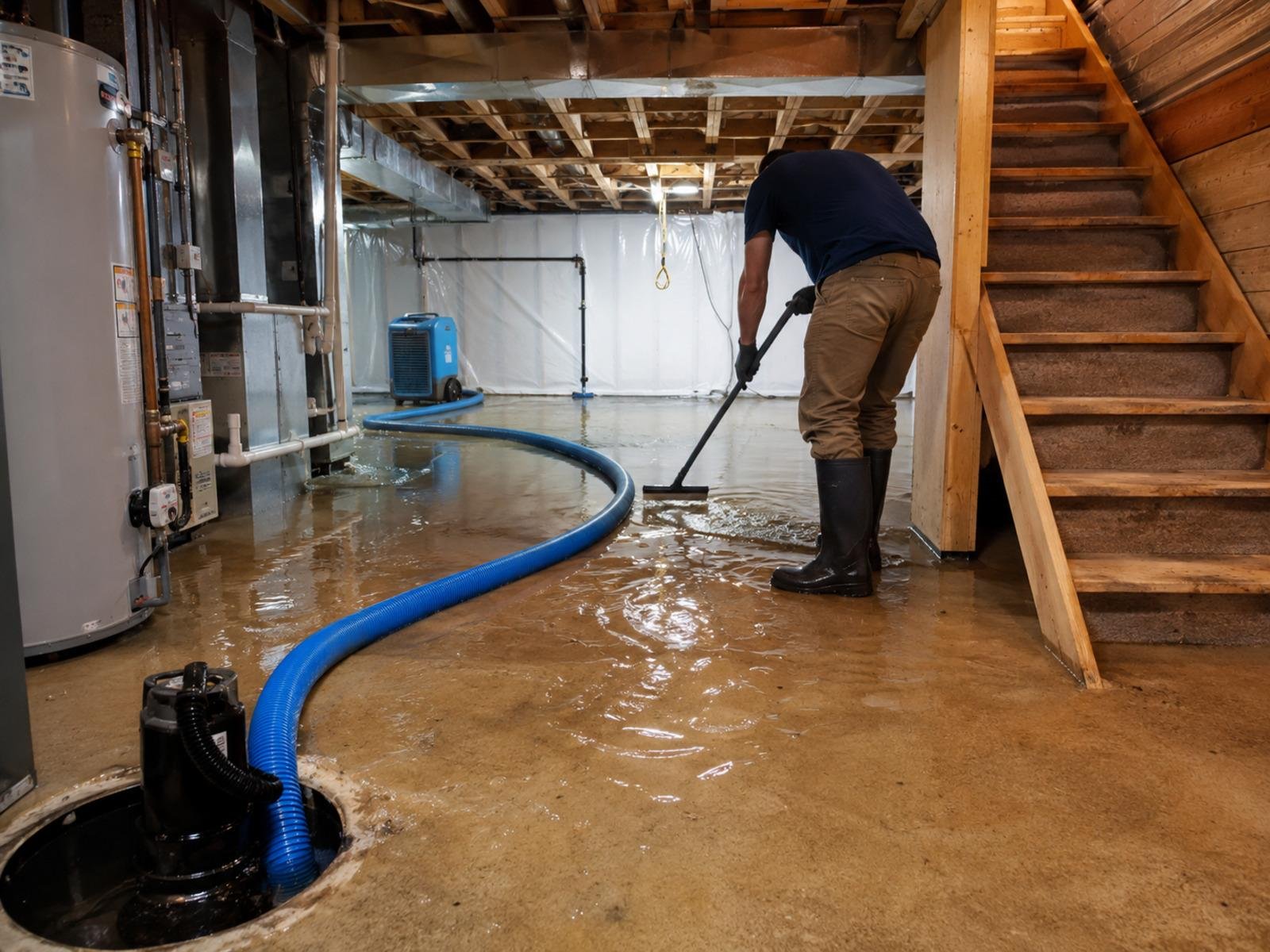
You finish a rainy day, head downstairs, and notice something you never wanted to see: water on your basement floor.
Maybe it is a small puddle near the wall. Maybe the carpet feels wet, boxes in storage are soaked, or water is coming up around a floor drain. Whatever the situation, one question probably comes to mind: Where is this water coming from, and how do I stop it?
Basement flooding can happen for several reasons, and the cause is not always obvious. For homeowners on Long Island, heavy rainfall, drainage problems, foundation cracks, and sump pump failures can all contribute to unwanted water inside the home.
The important thing is to avoid treating the visible water as the entire problem. Water can soak into flooring, drywall, insulation, and other materials even after the floor appears dry.
In this guide, we will explain why basements flood when it rains, what you should do when you find water, and when professional flooded basement cleanup may be necessary.
Why Does My Basement Flood After Heavy Rain?
If your basement only floods during or after a rainstorm, the weather is an important clue. However, rainwater can enter your home in several different ways.
1. Water Is Seeping Through Foundation Walls
Have you noticed water running down a basement wall or appearing where the wall meets the floor?
Heavy rainfall can saturate the soil surrounding your foundation. As water accumulates in the soil, pressure can push moisture through cracks, joints, and other weak points in the foundation.
You might notice:
- Wet spots along the bottom of basement walls
- Water appearing through small foundation cracks
- Dampness that becomes worse after several hours of rain
- White, powdery deposits on concrete or masonry surfaces
These signs can point to moisture intrusion, although the exact cause requires proper assessment.
If water repeatedly enters through the same area, cleaning up the puddle will not solve the underlying problem. You need to identify where the water is entering and address the source.
2. Your Sump Pump Has Stopped Working
A sump pump is designed to help remove groundwater that collects in a sump pit. When heavy rain increases the amount of water around your foundation, the pump may become especially important.
But what happens if the pump fails just when you need it most?
A sump pump may stop working because of a power outage, a mechanical problem, a stuck float switch, or a discharge line issue. If the pump cannot remove incoming water, the basement may begin to flood.
If you have a sump pump, check it periodically and consider whether a suitable backup system is needed. During a flood, never enter standing water to inspect electrical equipment.
If your basement is already flooding, a restoration professional can help assess the water damage and determine the appropriate cleanup and drying steps.
3. Rainwater Is Draining Toward Your House
Sometimes, the problem starts outside rather than inside the basement.
If your yard slopes toward the foundation, water can collect around the house during heavy rainfall. Clogged gutters, blocked downspouts, and poorly directed roof runoff can make the situation worse.
Take a look around your property when conditions are safe. Do you notice water pooling near the foundation? Are downspouts releasing water right beside the house? Are gutters overflowing?
These conditions may contribute to basement moisture.
Correcting drainage problems can help reduce future water intrusion, but it will not remove water that has already soaked into basement materials.
4. A Basement Window or Exterior Door Is Letting Water In
Basement windows, window wells, and exterior doors can become entry points for rainwater.
When drainage around a window well is inadequate or the surrounding seals have deteriorated, water may collect and enter the basement. Heavy rainfall can also overwhelm low entry points around exterior doors.
Look for water stains beneath windows, damp flooring near basement entrances, or visible gaps around frames.
If you find a likely entry point, arrange the appropriate repair. If water has already entered the basement, check for hidden moisture and damage rather than assuming that removing the puddle is enough.
5. A Plumbing Leak Is Making the Problem Worse
Not every basement flood is caused by rain entering through the foundation.
A damaged pipe, leaking water heater, washing machine hose, or failed plumbing connection can release water inside the home. Sometimes, the leak is discovered during a rainstorm simply because several problems occur at the same time.
If water continues to appear after the rain has stopped, a plumbing leak may be worth investigating.
If you can safely identify the source, shut off the appropriate water supply. If the leak is near electrical equipment, or you cannot safely reach the affected area, stay clear and seek qualified assistance.
What Should You Do When Your Basement Starts Flooding?
Finding water in your basement can be stressful, especially when you do not know how much damage has occurred. Here are the steps to prioritize.
Step 1: Make Sure It Is Safe to Enter
Before doing anything else, check for electrical hazards.
If standing water is near electrical outlets, wiring, your electrical panel, or appliances, do not walk into the water. Contact the appropriate utility or qualified professional to make the area safe.
Avoid entering a flooded basement if you suspect structural damage or sewage contamination.
Step 2: Stop the Water Source If Possible
If the flooding is caused by a plumbing leak and you can safely access the shutoff valve, turn off the water supply.
If rainwater is entering from outside, note where it appears to be coming in. Do not attempt dangerous repairs during a storm or enter floodwater to inspect the foundation.
Stopping additional water from entering can help limit further damage.
Step 3: Protect Your Belongings When Safe
If it is safe to do so, move dry belongings away from the affected area. Take photographs of the water, damaged materials, and affected possessions for your records.
Do not risk your safety trying to save furniture, electronics, or stored boxes.
Step 4: Arrange Water Removal and Proper Drying
Removing visible water is only part of the process.
Moisture can remain inside carpet padding, drywall, insulation, wood, and other porous materials. These materials may require professional drying or removal, depending on the extent of the damage.
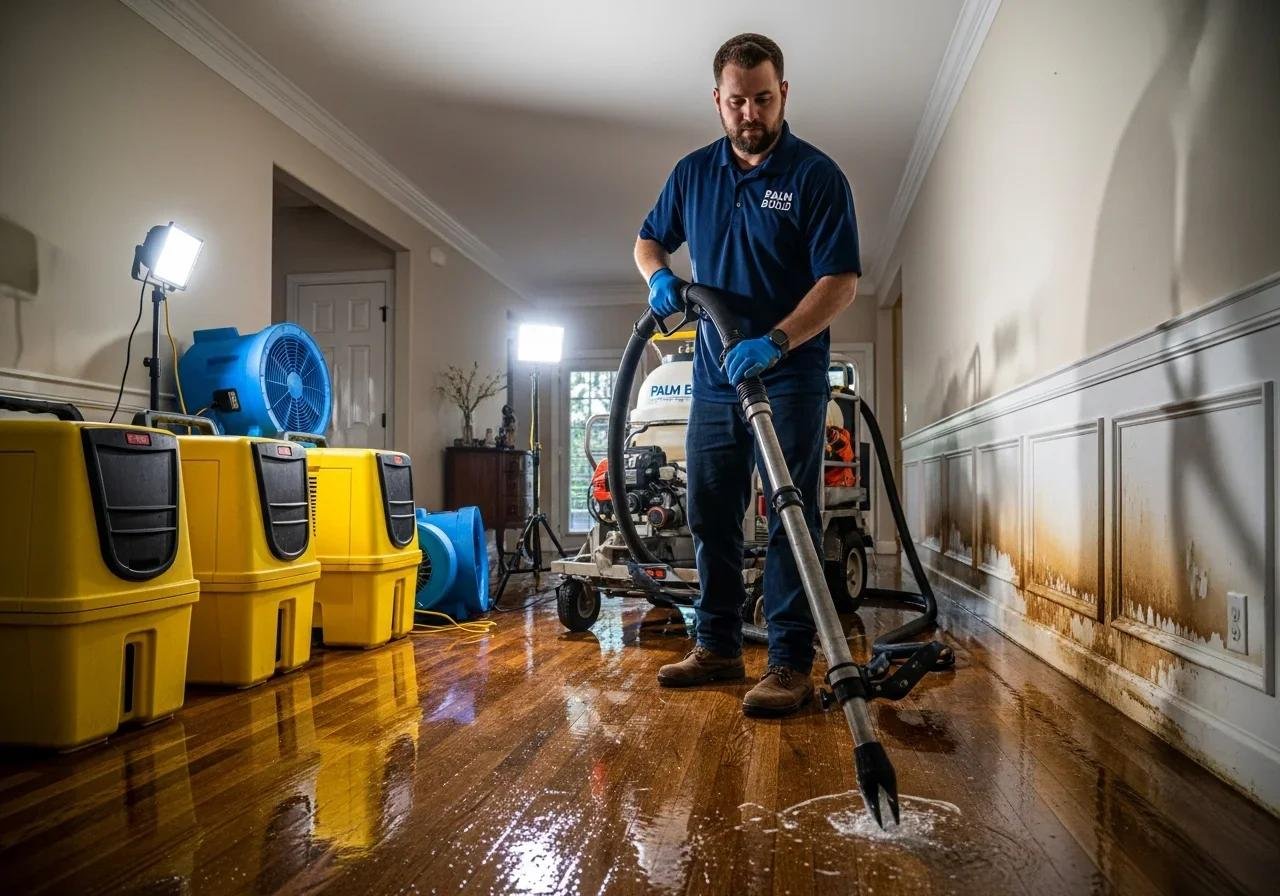
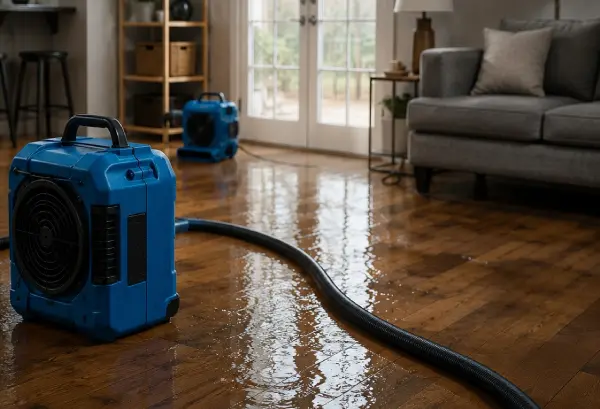
A restoration professional can assess the affected areas, remove standing water when appropriate, use suitable drying equipment, and monitor moisture levels.
Prompt action can help reduce the chance of further damage and secondary problems, including mold growth.
Step 5: Check for Hidden Moisture
After the water is removed, the basement may look clean while moisture remains trapped beneath flooring or inside walls.
Pay attention to persistent musty odors, discoloration, peeling paint, and damp materials. These signs do not automatically confirm mold, but they may indicate that further assessment is needed.
If the basement experienced significant flooding, do not assume that it is fully restored simply because the floor looks dry.
Can Basement Flooding Cause Mold?
Yes, basement flooding can create conditions that allow mold to grow when moisture remains in affected materials.
This is especially concerning when carpet, drywall, insulation, or stored belongings stay wet after a flood. Mold growth may not be immediately visible, and a musty smell can sometimes indicate a lingering moisture problem.
The best response is to address the water intrusion and begin appropriate drying as soon as it is safe.
If you notice visible mold, widespread dampness, or a persistent odor after flooding, consider professional assessment. Avoid disturbing extensive mold growth or removing contaminated materials without suitable precautions.
If the basement was affected by sewage or contaminated floodwater, professional cleanup is particularly important because ordinary household cleaning may not adequately address the hazards.
How Can You Reduce the Risk of Basement Flooding?
Although no home can be completely protected from every storm, a few practical measures may help reduce the risk of future water intrusion.
- Clean your gutters: Remove leaves and debris so rainwater can drain properly.
- Check downspouts: Direct roof runoff away from the foundation where appropriate.
- Inspect visible foundation cracks: Arrange an assessment if you notice recurring water entry.
- Maintain your sump pump: Check its operation safely and consider a backup system.
- Watch for drainage problems: Look for water pooling near your house after rainfall.
- Address plumbing leaks promptly: Even a small leak can cause significant damage if it continues unnoticed.
- Inspect the basement after major storms: Look for new stains, damp spots, or unusual odors.
If flooding continues despite these steps, it is worth investigating the underlying cause rather than repeatedly cleaning up the same area.
When Should You Call a Basement Water Damage Restoration Company?
A small amount of clean water from a known source may be manageable in some situations. However, professional help is often appropriate when the damage is extensive, the source is unclear, or contaminated water is involved.
Consider contacting a restoration professional if:
- Water covers a large portion of your basement floor.
- Your carpet, drywall, insulation, or other building materials are soaked.
- Water keeps returning after you remove it.
- Your sump pump has failed during a storm.
- You notice persistent moisture or a musty odor after flooding.
- Sewage or other potentially contaminated water has entered the basement.
- Water is near electrical equipment or you cannot safely assess the damage.
The appropriate restoration process depends on the source of the water, how much of the property is affected, and which materials can be safely dried or need to be removed.
Addressing the problem early can help prevent additional damage and make the recovery process more manageable.
Basement Flooding on Long Island? RestoTech Can Help
When water enters your basement, you need more than a quick cleanup. You need to understand what was affected, remove the water safely, and determine how to dry the property properly.
RestoTech helps property owners on Long Island with water and flood damage restoration. Whether your basement has been affected by a plumbing leak, storm-related water intrusion, or another water emergency, the appropriate response starts with assessing the situation and addressing the damage.
Depending on the circumstances, restoration may involve water removal, structural drying, and evaluating materials that have been exposed to moisture.
If your basement has flooded, do not wait for visible damage to become more extensive. Contact RestoTech to discuss your situation and determine the next steps for restoring your property.
Visit RestoTech to learn more about its restoration services.
Frequently Asked Questions
Why does my basement flood only when it rains?
Rainwater may saturate the soil around your foundation, overwhelm drainage systems, enter through cracks, or collect around basement windows and doors. A sump pump failure can also contribute to flooding during heavy rain.
How do I get water out of a flooded basement?
Safety comes first. Do not enter standing water if electrical hazards may be present. Once the area is safe, the appropriate cleanup may involve water extraction, drying equipment, and inspection of affected materials. Sewage-contaminated water requires professional handling.
How quickly should I address basement water damage?
As soon as it is safe to do so. Prompt water removal and drying can help limit damage and reduce the conditions that allow mold to grow. The appropriate response depends on the amount and type of water involved.
Will my basement flood again after cleanup?
It can if the underlying cause remains unresolved. A restoration company can address the water damage, but recurring flooding may also require plumbing repairs, drainage improvements, sump pump maintenance, or foundation-related work.
Does homeowners insurance cover basement flooding?
Coverage depends on the cause of the water intrusion and the terms of your policy. Sudden plumbing leaks, surface flooding, groundwater intrusion, and sewer backups may be treated differently. Contact your insurer to understand your specific coverage.
Who should I call for flooded basement cleanup on Long Island?
If your basement has standing water, soaked building materials, or damage following a storm or plumbing failure, contact a qualified water damage restoration provider. RestoTech offers restoration services for property owners on Long Island. Visit the website to learn more and request assistance.